

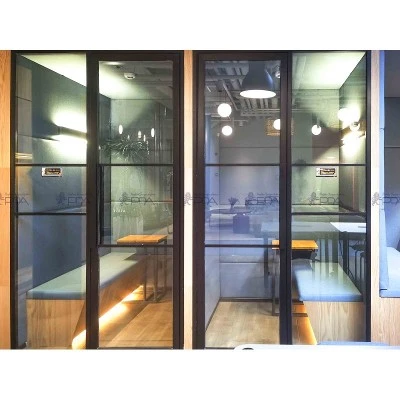


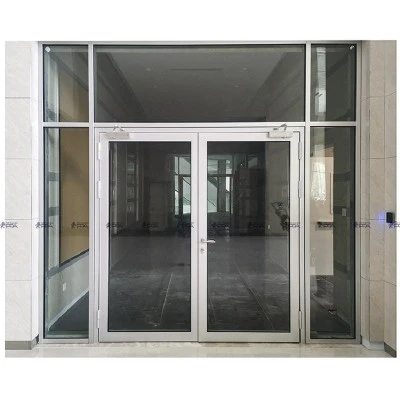
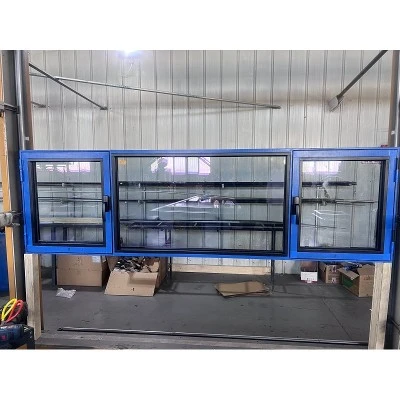
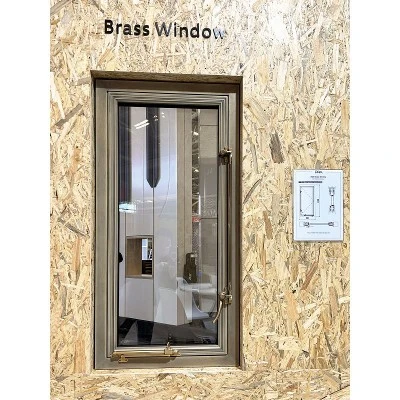

The durability of steel fire doors refers to their ability to maintain their original structural strength, functionality, and fire resistance under long-term use and exposure to environmental factors such as temperature, humidity, and mechanical wear. Steel fire doors typically use steel plates for the door frame and leaf, filled with fire-resistant and heat-insulating materials. The overall structure has good strength and stability, and is not prone to severe deformation or structural damage under normal use conditions. Compared to ordinary wooden doors, steel fire doors are less susceptible to insect infestation and rot, exhibiting better structural stability and a longer service life. However, steel is prone to corrosion after prolonged contact with moisture and humid air. Inadequate surface anti-corrosion treatment can lead to paint peeling, steel plate corrosion, and reduced strength at joints. Therefore, the production process usually requires rust removal, rust prevention, and surface coating of the steel plates. Simultaneously, the appropriate selection of internal filling materials, hinges, locks, and other connecting accessories is crucial to ensure secure connections between components and improve the overall durability of the door.
The actual service life of steel fire doors depends not only on material quality and manufacturing processes, but also on installation quality, frequency of use, and routine maintenance. In high-traffic areas such as shopping malls, hospitals, schools, and office buildings, door panels, hinges, door closers, locks, and other accessories are subject to repeated use, making them prone to wear, loosening, or incomplete closure. Regular inspection and maintenance are essential. For steel fire doors installed in basements, equipment rooms, and damp environments, special attention should be paid to inspecting the bottom of the door frame, welded areas, and surface coatings. Rust and paint film damage should be addressed promptly to prevent further corrosion. Simultaneously, fire-resistant sealing strips and door closers must be kept in good working order; any signs of aging, detachment, or damage should be replaced immediately to ensure proper door closure and fire resistance. It is important to note that the durability of steel fire doors cannot be judged solely by appearance and age; the integrity of their internal structure and fire resistance performance must also be assessed. By selecting qualified materials, standardizing installation and construction, and carrying out regular maintenance, quality problems that may occur in steel fire doors during long-term use can be reduced, ensuring that they continue to meet the requirements for building fire safety.