

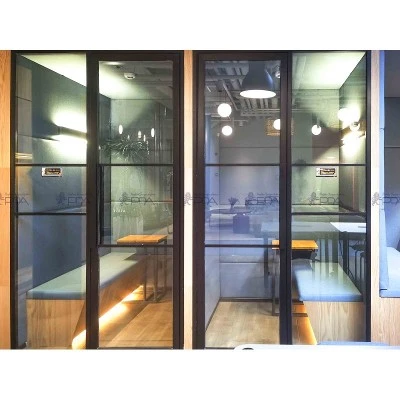
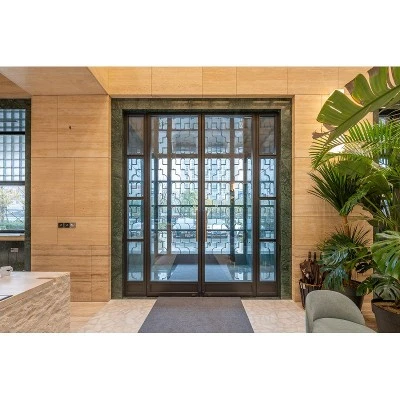

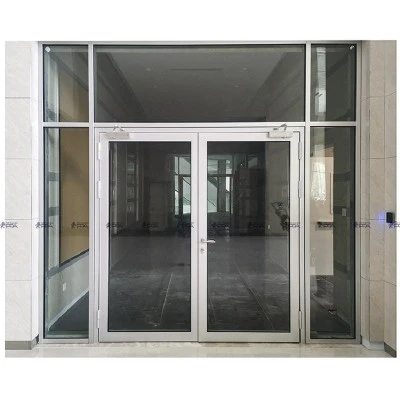
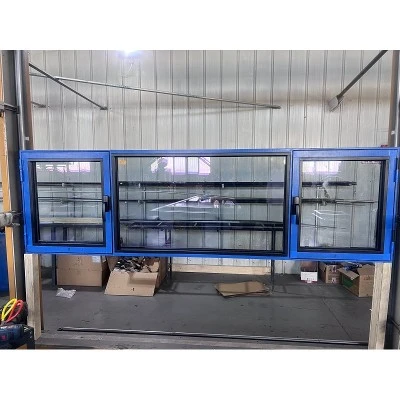


When storing steel sliding doors, choose a well-ventilated, dry, and clean indoor location. Avoid prolonged exposure to the open air to prevent damage from rain, moisture, and direct sunlight. The storage area should be flat, firm, and free of standing water or corrosive substances. For doors that have undergone surface coating or anti-corrosion treatment, pay special attention to protecting the surface coating from bumps and scratches to avoid affecting the appearance and future performance.
Steel sliding doors should be categorized and stored according to their size, weight, and structural characteristics, and clearly labeled according to specifications and models for easy inventory and installation. Doors should be placed on stable supports or wooden blocks to avoid direct contact with the ground, and measures should be taken to prevent tipping. Do not stack them too high, and do not place other heavy objects on top of the door panels to prevent bending, deformation, or surface damage due to compression. Use soft padding materials to separate different doors to reduce friction and collisions.
Before steel sliding doors are put into storage, their appearance, quantity of accessories, and relevant quality documents should be inspected to ensure that the door body is free from obvious deformation, rust, and coating peeling. For products that are not to be installed immediately, dustproof, moisture-proof, and rust-proof protection should be provided. Pulleys, guide rails, and other metal accessories should also be properly stored to avoid contamination or damage. During handling, handle with care and avoid dragging, throwing, or violent collisions to ensure that the products maintain good quality during storage and turnover.