

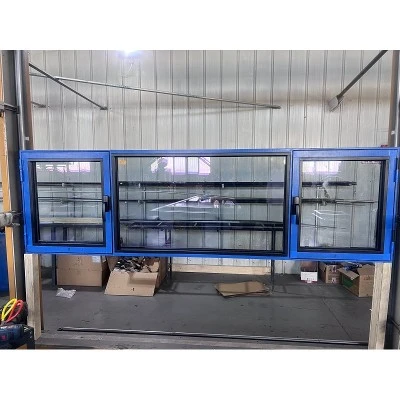
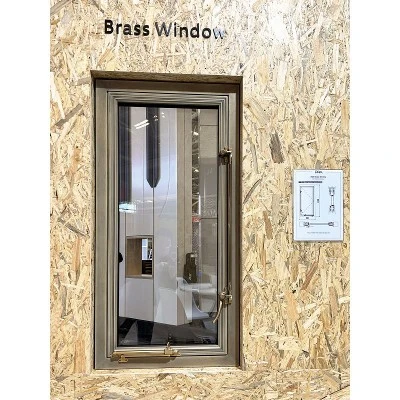
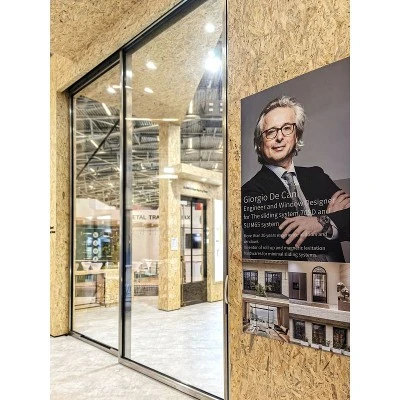
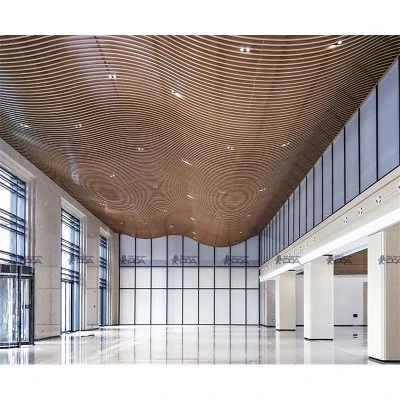
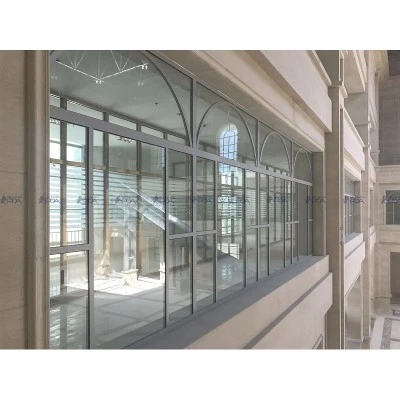
With the continuous development of the construction and industrial manufacturing sectors, the market has placed higher demands on the safety, durability, and functionality of door products, leading to a gradual diversification and specialization of steel sliding doors. Due to their robust structure, strong load-bearing capacity, and high space utilization, steel sliding doors have significant application value in factories, warehouses, logistics centers, and commercial buildings. Especially in large building entrances and industrial production environments, steel sliding doors, with their structural advantages, can meet the needs of larger door sizes and frequent opening, ensuring continued market growth potential.
Steel sliding doors are gradually upgrading towards intelligence, automation, and energy efficiency. Traditional manual sliding doors can no longer meet the operational convenience and management efficiency requirements of some modern buildings; therefore, technologies such as electric drive, intelligent sensing, remote control, and automatic limit switches are gaining wider application. Simultaneously, improvements in materials and manufacturing processes, such as enhanced steel processing technology, optimized internal door structure, and the adoption of more environmentally friendly surface treatments, can further improve product stability, corrosion resistance, and lifespan. These technological improvements will bring even more application possibilities to steel sliding doors.
With the continued advancement of modern industrial buildings, logistics facilities, and infrastructure construction, market demand for high-strength, durable, and customized steel sliding doors is expected to increase further. At the same time, consumers are paying increasing attention to product appearance, user experience, and post-construction maintenance costs, prompting manufacturers to continuously improve product quality and service levels. Overall, the future development of steel sliding doors will focus more on product performance, intelligent control, energy conservation and environmental protection, and personalized design. Through continuous technological improvements and product structure refinements, they are expected to maintain strong competitiveness in the architectural door market.