





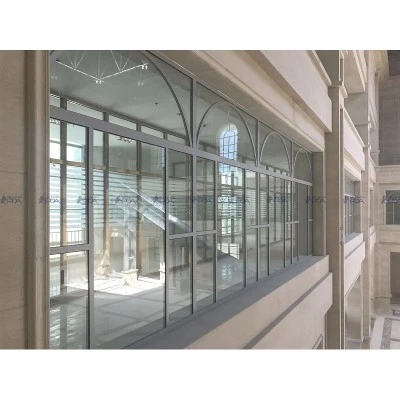
During daily use, steel sliding doors should be operated correctly. Open and close them smoothly, avoiding forceful pushing or pulling or sudden impacts to prevent damage to the pulleys, guide rails, and door frame structure. Also, be mindful of the door's movement range, ensuring there are no obstructions, stones, or other objects near the guide rails to prevent interference with normal door operation. For larger or heavier steel sliding doors, avoid multiple people operating them simultaneously to minimize wear and tear on components.
During use, regularly inspect key components such as guide rails, pulleys, bearings, and limit devices for looseness, deformation, wear, or unusual noises. If the door moves uncomfortably, experiences increased opening resistance, or exhibits significant wobbling, inspect and repair it immediately; do not continue using it. Keep the inside of the guide rails clean, removing dust and debris promptly, and lubricate sliding parts as needed to ensure smooth door operation.
In addition, daily safety management is crucial when using steel sliding doors. Children should be prevented from playing within the door's movement range, and hands or other objects should not be placed between the door leaf and frame to prevent pinching accidents. For electric steel sliding doors, the motor, control system, and safety sensors should be checked regularly to ensure proper operation. When not in use for extended periods, check that the door is properly closed and perform rust prevention, moisture protection, and surface cleaning to extend the lifespan of the steel sliding door.